
Wind turbines for home use are becoming increasingly popular as homeowners seek to reduce their reliance on traditional energy sources. These turbines work by harnessing the power of the wind to generate electricity, making them an eco-friendly and cost-effective alternative to traditional power sources. In this article, we will explore the benefits of home wind turbines, the different types available, the installation process, and the maintenance required to keep them running smoothly.
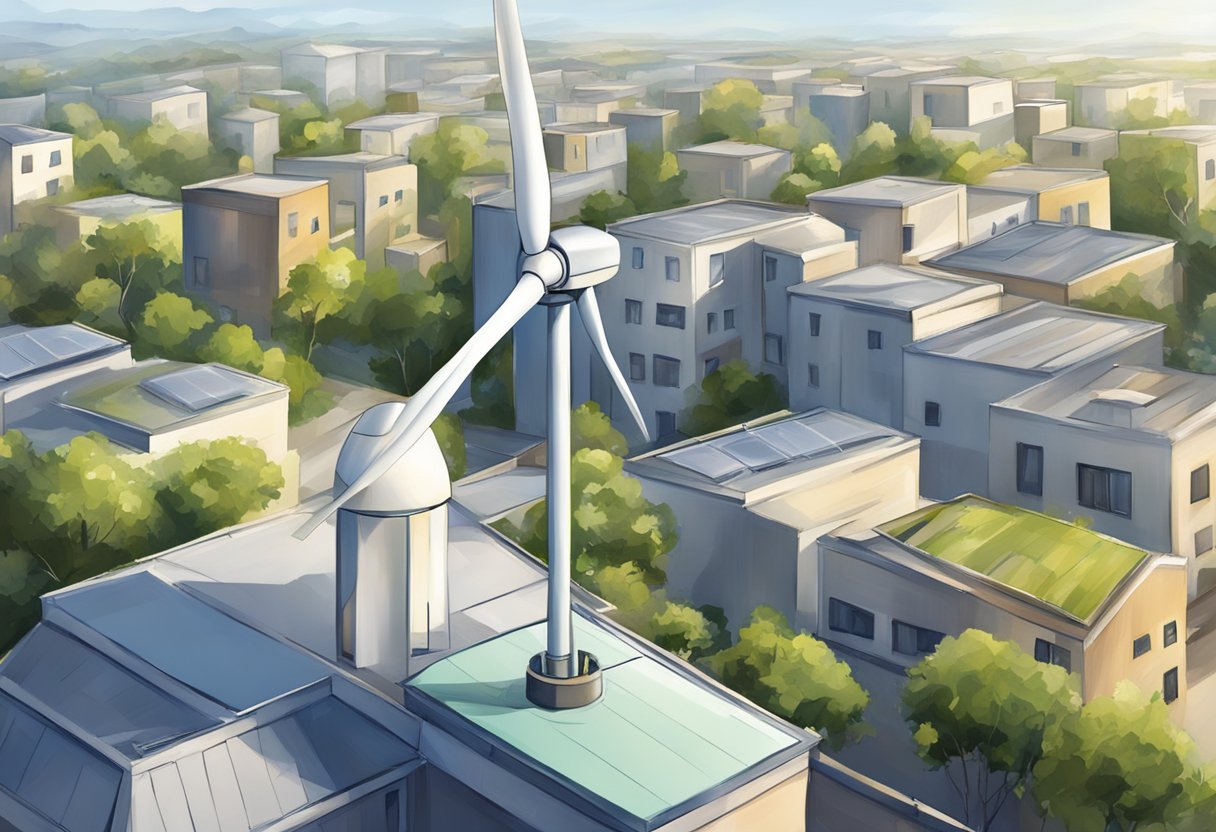
A wind turbine is a device that converts the kinetic energy of the wind into electrical power. Home wind turbines are smaller versions of the large turbines you may have seen on the side of the highway generating clean electrical energy from the wind’s kinetic energy. The benefits of using wind turbines for home use are numerous. They are a clean and renewable energy source, which means they are environmentally friendly. They can also help reduce your energy bills and provide you with a reliable source of power, even during power outages.
Table of Contents
Key Takeaways
- Home wind turbines are an eco-friendly and cost-effective alternative to traditional power sources.
- There are different types of wind turbines available for home use, each with its own advantages and disadvantages.
- Proper installation and maintenance are essential for ensuring that your wind turbine operates safely and efficiently.
What is a Wind Turbine

A wind turbine is a device that converts the kinetic energy of wind into mechanical energy, which can be used to generate electricity. Wind turbines are typically composed of three main components: the rotor, the gearbox, and the generator.
The Rotor
The rotor is the part of the wind turbine that captures the wind and converts it into rotational energy. It is typically composed of two or three blades that are attached to a hub. The blades are designed to have a specific shape and angle to efficiently capture the wind and convert it into rotational energy.
The Gearbox
The gearbox is responsible for increasing the rotational speed of the rotor. The rotor spins at a relatively slow speed, typically between 10 and 20 revolutions per minute (RPM), while the generator requires a much higher speed, typically between 1,000 and 1,800 RPM. The gearbox increases the rotational speed of the rotor to match the speed required by the generator.
The Generator
The generator is responsible for converting the rotational energy of the rotor into electrical energy. The generator typically consists of a series of coils of wire that are rotated within a magnetic field. As the coils rotate, they generate an electrical current that can be used to power homes and businesses.
Overall, wind turbines are a clean and renewable source of energy that can help reduce our reliance on fossil fuels. While they do require an initial investment, the cost of wind energy has been steadily decreasing over the past few years, making it an increasingly attractive option for homeowners and businesses alike.
Benefits of Home Wind Turbines
Energy Independence
One of the most significant advantages of home wind turbines is the ability to generate your own electricity. By harnessing the power of the wind, homeowners can reduce their dependence on traditional energy sources and rely on their own renewable energy supply. This can be particularly beneficial for those living in remote areas where access to the grid is limited or expensive.
Environmental Impact
Home wind turbines are also an environmentally friendly way to generate electricity. Unlike traditional power sources, wind energy does not produce any harmful emissions or pollutants. This means that homeowners can reduce their carbon footprint and contribute to a cleaner, greener planet.
Financial Benefits
In addition to the environmental benefits, home wind turbines can also provide significant financial benefits. By generating their own electricity, homeowners can reduce their energy bills and potentially even earn money by selling excess energy back to the grid. While the initial cost of installing a wind turbine can be high, the long-term savings and potential earnings can make it a worthwhile investment.
Overall, home wind turbines offer a range of benefits for homeowners looking to generate their own renewable energy. From energy independence to environmental impact and financial benefits, wind turbines can provide a sustainable and cost-effective solution for powering homes.
Types of Wind Turbines for Home
Horizontal Axis Wind Turbines
HAWTs are the most commonly used wind turbines for home use. They have a horizontal rotor shaft and blades that rotate around a horizontal axis. HAWTs are typically more efficient than VAWTs, as they can capture wind from any direction and have a higher energy output.
One of the main advantages of HAWTs is that they can be mounted on a tower, which allows them to capture wind at a higher altitude where the wind is stronger and more consistent. HAWTs are also generally quieter than VAWTs and require less maintenance.
However, HAWTs are more complex to install and require a larger amount of space. They also have a larger visual impact, which may not be desirable in some residential areas.
Vertical Axis Wind Turbines
VAWTs have a vertical rotor shaft and blades that rotate around a vertical axis. They are typically smaller and less efficient than HAWTs, but they have some advantages that make them a good option for some homeowners.
One of the main advantages of VAWTs is that they can be installed in smaller spaces, such as on a rooftop or in a small backyard. They are also less affected by changes in wind direction and can operate in turbulent wind conditions.
However, VAWTs have a lower energy output and are less efficient than HAWTs. They also require more maintenance and can be noisier than HAWTs.
Overall, the choice between a HAWT and VAWT will depend on the specific needs and constraints of the homeowner. Factors to consider include the available space, wind conditions, energy requirements, and visual impact.
Components of a Wind Turbine
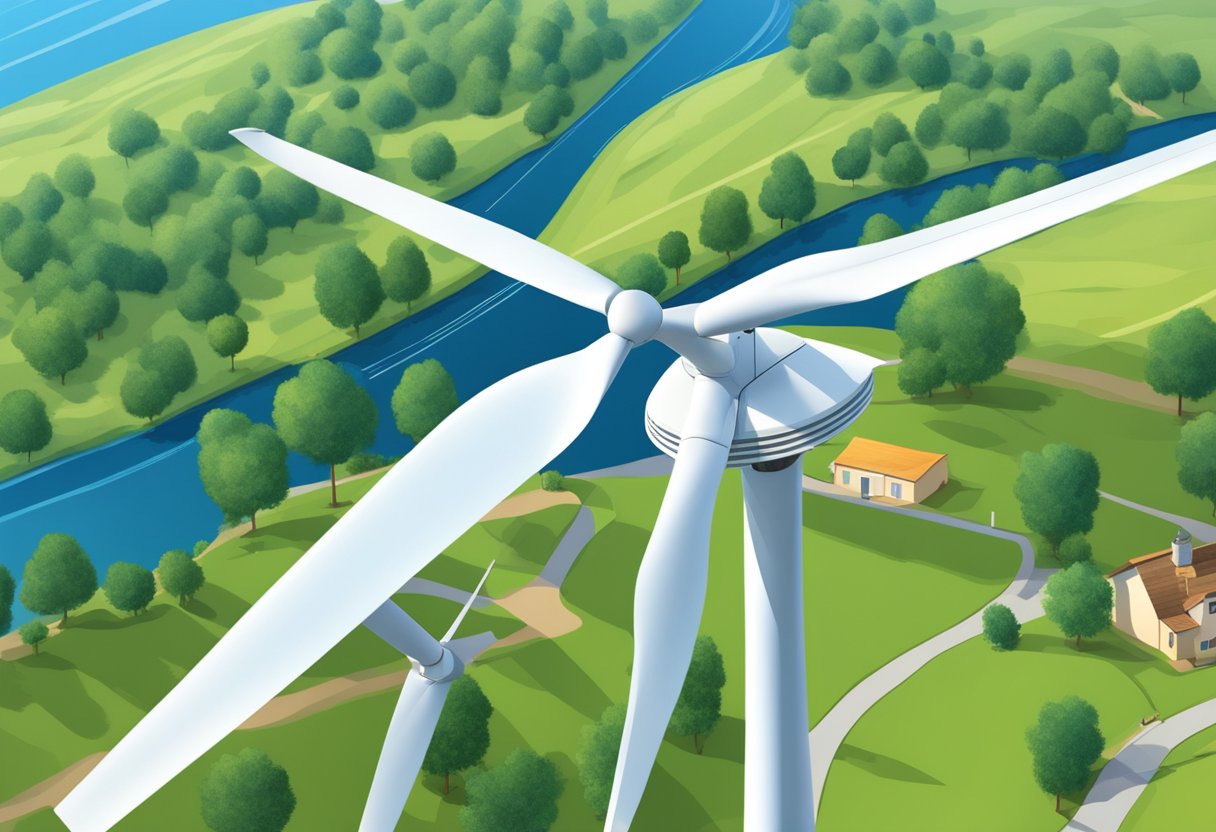
Wind turbines for home use typically consist of four main components: rotor blades, gearbox, generator, and tower. Each component plays a crucial role in the operation of the wind turbine.
Rotor Blades
The rotor blades are the most visible part of the wind turbine. They are designed to capture the wind’s kinetic energy and convert it into rotational energy. The blades are typically made of lightweight materials such as fiberglass or carbon fiber, and they are shaped like airplane wings to maximize lift and minimize drag. The length of the blades can vary depending on the size of the wind turbine, but they are usually between 6 and 12 meters long.
Gearbox
The gearbox is responsible for increasing the rotational speed of the rotor blades, which in turn drives the generator. The gearbox is typically located at the top of the tower, and it is designed to withstand the high torque and low rotational speed of the rotor blades. The gearbox can be a single-stage or multi-stage design, depending on the size of the wind turbine.
Generator
The generator is the heart of the wind turbine. It converts the rotational energy from the rotor blades into electrical energy that can be used to power homes or businesses. The generator is typically a permanent magnet synchronous generator (PMSG) or an induction generator (IG). The PMSG is more efficient and reliable, but it is also more expensive than the IG.
Tower
The tower is the support structure for the wind turbine. It is designed to withstand the weight of the rotor blades, gearbox, and generator, as well as the high winds and other environmental factors. The tower can be made of steel or concrete, and it can vary in height from 10 to 30 meters depending on the size of the wind turbine.
In conclusion, wind turbines for home use consist of four main components: rotor blades, gearbox, generator, and tower. Each component plays a crucial role in the operation of the wind turbine, and they must be designed and built to work together efficiently and reliably.
Installation Process
Site Assessment
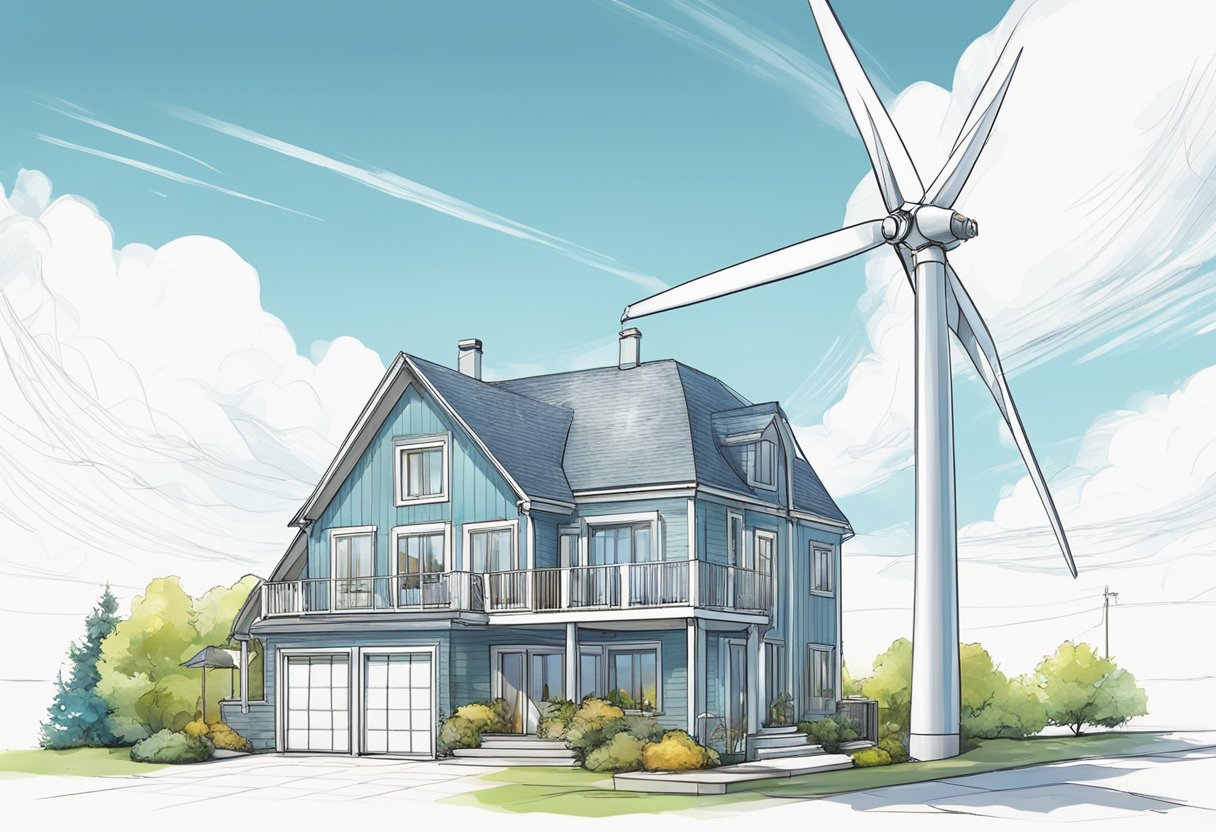
Before installing a wind turbine for home, it is important to assess the site to determine if it is suitable for wind energy. The site should have a consistent wind speed of at least 10 miles per hour to generate enough energy to power a home. The site should also be free from obstructions such as trees, buildings, and other structures that can block the wind.
It is also important to consider the terrain of the site. If the site is located in a complex terrain, it is recommended to take care in selecting the installation site. If the wind turbine is sited on the top of a hill or on the windy side of a hill, for example, it will have more access to prevailing winds than in a gully or on the leeward (sheltered) side of a hill on the same property.
Permits and Regulations
Before installing a wind turbine, it is important to obtain the necessary permits and comply with regulations. The regulations vary by location, so it is recommended to contact the local building department or zoning board to determine the requirements for installing a wind turbine.
Some common regulations include height restrictions, setback requirements, and noise limits. It is important to comply with these regulations to avoid legal issues and fines.
Installation
The installation process of a wind turbine involves various steps, including site selection, foundation construction, tower assembly, turbine installation, and grid connection.
The foundation of the wind turbine is crucial to ensure stability and safety. The foundation should be designed to withstand the weight of the tower and the wind turbine, as well as the forces generated by the wind.
The tower assembly involves erecting the tower and attaching the wind turbine to the top of the tower. The tower should be tall enough to reach the desired wind speed and should be constructed of high-quality materials to ensure durability.
The turbine installation involves mounting the turbine to the top of the tower and connecting it to the electrical system of the home. The turbine should be installed by a qualified professional to ensure proper installation and safety.
Finally, the wind turbine should be connected to the electrical system of the home to start generating electricity. It is recommended to hire a licensed electrician to ensure proper connection and safety.
In summary, installing a wind turbine for home involves site assessment, obtaining permits and complying with regulations, and the installation process which includes foundation construction, tower assembly, turbine installation, and grid connection. It is important to hire qualified professionals and comply with regulations to ensure safety and proper installation.
Maintenance and Safety
Routine Maintenance
To ensure the optimal performance and longevity of home wind turbines, proper maintenance is crucial. It is recommended to schedule routine maintenance appointments at least once a year, preferably before the start of the windy season. During these appointments, a professional technician will inspect and service the turbine components, including the blades, tower, generator, and wiring.
Some routine maintenance tasks that homeowners can perform themselves include checking the gearbox oil after 500 hours of operation and inspecting the turbine for any visible damage or debris buildup. It is also important to keep the area around the turbine clear of any obstacles, such as trees or buildings, that could interfere with its performance.
Safety Measures
Homeowners should prioritize safety when installing and maintaining a home wind turbine. It is crucial to follow all manufacturer instructions and local building codes to ensure the turbine is installed correctly and safely. It is also important to regularly inspect the tower and foundation for any signs of wear or damage, such as cracks or rust, and to promptly address any issues.
When performing maintenance or repairs on the turbine, homeowners should take all necessary safety precautions, such as wearing appropriate personal protective equipment and ensuring the turbine is properly secured and shut down. It is also important to keep children and pets away from the turbine at all times.
In conclusion, proper maintenance and safety measures are essential for the optimal performance and safety of home wind turbines. Homeowners should schedule routine maintenance appointments and prioritize safety when installing and maintaining their turbines.



0 Comments