
Wood is making a major comeback in architecture for 2024, driven by a confluence of factors like sustainability concerns, biophilic design trends, and a yearning for warmth and natural beauty in our built environments. Here are some key trends to watch:
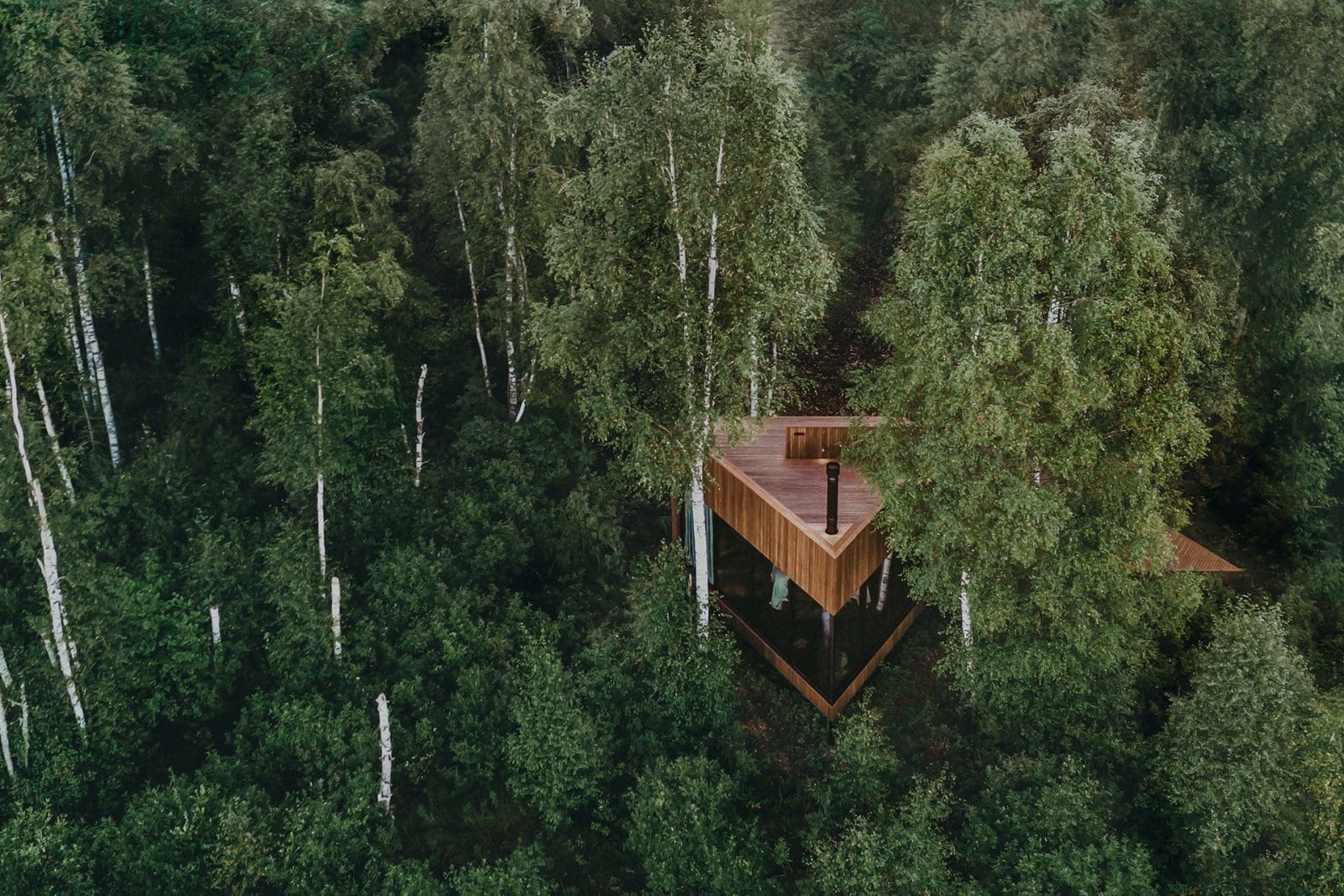
1. Sustainability in Focus:
- Mass Timber Takes Center Stage: Expect to see more high-rise buildings and complex structures constructed using mass timber, a category of engineered wood products like cross-laminated timber (CLT) and glued laminated timber (glulam). These offer exceptional strength, fire resistance, and seismic resilience, while also storing carbon and promoting sustainable forestry practices.
- Locally Sourced and FSC-Certified Wood: Architects and builders are increasingly prioritizing wood sourced from local, sustainably managed forests. This reduces transportation emissions and supports responsible forestry practices. Look for projects showcasing the unique characteristics of regional wood species.
2. Biophilic Design and Well-being:
- Bringing Nature Indoors: Wood’s natural beauty and inherent warmth make it a perfect material for biophilic design, which emphasizes bringing elements of nature into buildings to improve occupant well-being. Expect to see extensive use of wood in walls, ceilings, floors, furniture, and even structural elements.
- Focus on Sensory Connection: Designers are exploring innovative ways to use wood to engage our senses. This could include textured wood surfaces, strategically placed wood slats for light and shadow play, or even incorporating the natural scent of wood into the design.
3. Beyond Traditional Applications:
- Charred and Shou Sugi Ban Wood: The ancient Japanese technique of shou sugi ban, which involves charring the surface of wood to make it more durable and weather-resistant, is gaining popularity in contemporary architecture. The resulting blackened wood adds a striking visual element and enhances the natural textures of the wood.
- Sculptural Wood Design: Architects are pushing the boundaries of wood’s capabilities, using it to create sculptural elements, intricate facades, and even furniture that integrates seamlessly with the building’s architecture.
4. Technological Advancements:
Engineered Wood Innovations: Advances in engineered wood products are opening up new possibilities for wood in construction. For example, cross-laminated timber panels with integrated insulation or fire-retardant properties are making wood even more versatile and competitive.
Digital Fabrication and Robotics: The use of digital fabrication and robotics in woodworking is allowing for greater precision and efficiency in construction. This is enabling the creation of complex and intricate wood structures that were previously impossible.
Overall, the future of wood in architecture is bright. With its focus on sustainability, well-being, and innovative design, wood is poised to play a central role in shaping the built environments of tomorrow.
Here are some additional resources you may find interesting:
- WorldGBC: Advancing Net Zero Built Environment
- International Wood Products Association
- Architecture 2030
I hope this gives you a good overview of the exciting trends in wood architecture for 2024!



0 Comments