
Thermally modified wood (TMT) generally boasts improved performance in a variety of climates compared to untreated wood, but specific impacts vary depending on the climate characteristics:
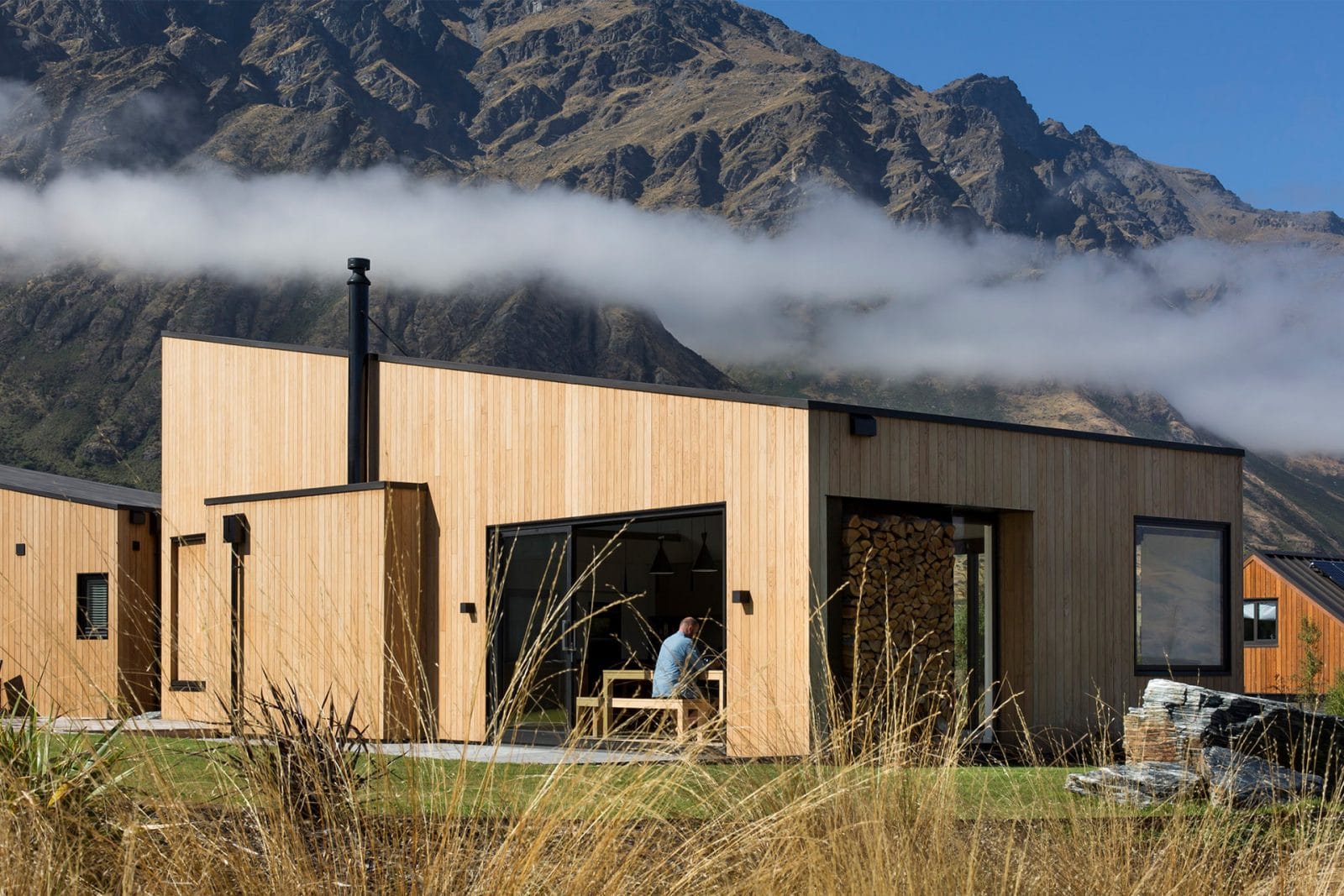
Hot and humid climates:
- Reduced swelling and warping: The thermal modification process extracts moisture and sugars from the wood, making it less susceptible to dimensional changes due to humidity fluctuations. This is particularly beneficial in tropical or coastal environments.
- Enhanced rot resistance: High heat treatment denatures wood sugars, hindering fungal growth and increasing resistance to rot and decay. This allows TMT to last longer even in damp conditions.
- Color changes: Sun exposure can bleach and lighten TMT over time, though the initial darker shade provides some UV protection. Proper maintenance with protective coatings can mitigate this fading.
Cold and dry climates:
- Improved dimensional stability: TMT exhibits less shrinkage and cracking compared to untreated wood in dry conditions. This makes it suitable for use in cold weather regions with low humidity.
- Potential for brittleness: Some types of TMT, especially when heavily modified, can become slightly more brittle at freezing temperatures. Proper selection of wood species and modification level is crucial.
- Maintenance considerations: While TMT generally requires less maintenance than untreated wood, regular cleaning and occasional re-coating might be necessary to maintain aesthetics and protect against surface mold growth.
Overall:
- TMT generally performs better than untreated wood in most climates: Its improved dimensional stability, rot resistance, and durability make it a versatile choice for outdoor applications.
- Specific climate factors like temperature, humidity, and sun exposure still influence performance, and choosing the right type of TMT is crucial for optimal results.
- Always consult with a qualified professional to determine the best TMT option for your specific project and climatic context.
Remember, even though TMT offers enhanced performance, proper installation and maintenance are essential for ensuring its long-lasting beauty and functionality in any climate.



0 Comments