
As an architect, understanding and caring about carbon and LCA (Life Cycle Analysis) is crucial for several reasons:
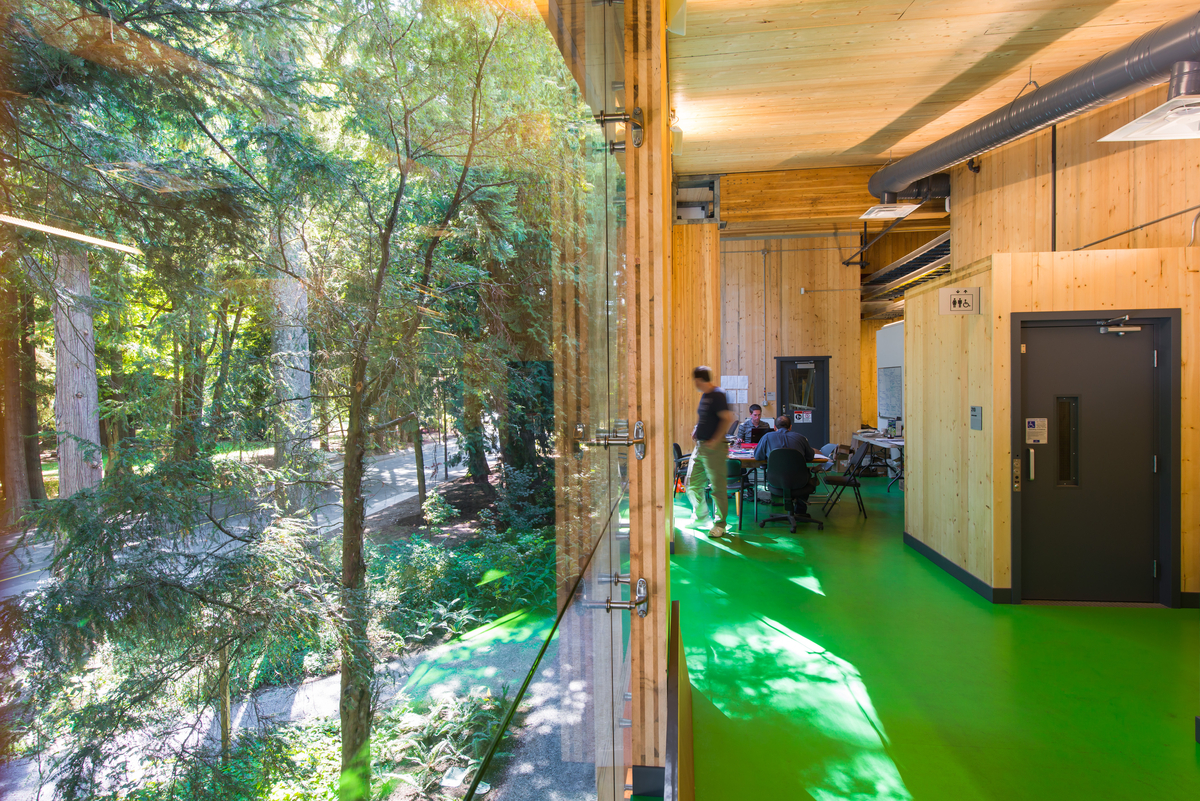
Environmental Impact:
- Climate Change: Buildings are a major contributor to global greenhouse gas emissions, accounting for approximately 39% globally. Understanding the embodied carbon (carbon emissions associated with materials and construction) of your designs enables you to minimize their environmental footprint and combat climate change.
- Resource Depletion: Buildings consume a significant amount of natural resources throughout their lifecycle. LCA helps you identify resource-intensive materials and processes, allowing you to optimize designs for efficiency and reduce resource depletion.
- Pollution and Waste: Many building materials and construction processes generate pollution and waste. LCA helps you choose materials and methods with lower environmental impact, minimizing pollution and waste generation.
Economic Benefits:
- Cost Savings: Embodied carbon is becoming increasingly factored into building costs and regulations. Understanding LCA allows you to design buildings with lower embodied carbon, potentially leading to cost savings in construction and operation.
- Market Advantage: Sustainable design is becoming increasingly sought-after by clients and developers. Architects who understand carbon and LCA can showcase their expertise and gain a competitive edge in the market.
- Resilience: Climate change and resource scarcity pose risks to buildings and infrastructure. Architects who design with embodied carbon and LCA in mind can create more resilient buildings that are better adapted to future challenges.
Professional Responsibility:
- Ethical Consideration: As architects have a significant impact on the environment, it is their ethical responsibility to minimize this impact. Understanding carbon and LCA empowers them to make informed decisions and design buildings that contribute to a sustainable future.
- Public Health and Well-being: Buildings that are designed with embodied carbon and LCA in mind can contribute to improved public health and well-being by reducing pollution and creating healthier indoor environments.
- Leadership: Architects can play a leading role in driving the construction industry towards more sustainable practices by championing the use of carbon and LCA tools and methodologies.
In conclusion, understanding and caring about carbon and LCA is essential for architects who want to design buildings that are environmentally responsible, economically viable, and contribute to a healthier future. By embracing these principles, architects can become true leaders in shaping a more sustainable built environment.



0 Comments