
The UK housing market has always been a topic of great interest and concern for homeowners, investors, and economists alike. The ebb and flow of house prices, the impact of government policies, and the overall stability of the market have far-reaching implications for individuals and the broader economy. In recent times, there has been increasing speculation about the possibility of a housing market crash in the UK. In this article, we will delve into the factors influencing the UK housing market, examine recent trends and statistics, explore the contributing factors to the market downturn, analyze expert opinions and predictions, discuss government policies and their impact, explore the potential consequences of a housing market crash, and provide strategies for buyers and sellers in a downturn market.
Table of Contents
What you will learn from this article:
- Overview of the UK housing market and factors influencing it.
- Recent trends and statistics on declining house prices, sales activity, and regional variations.
- Contributing factors to the market downturn such as rising mortgage rates and shortage of properties.
- Expert opinions and predictions on the likelihood of a housing market crash.
- Government policies and their impact on the housing market.
- Potential consequences of a housing market crash on homeowners, investors, and the broader economy.
- Strategies for buyers and sellers in a downturn market.
Understanding the UK Housing Market
A. Overview of the UK housing market
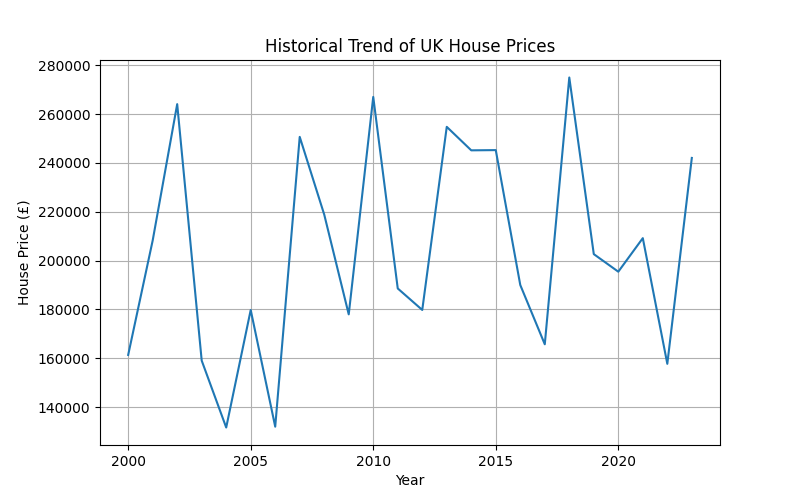
The UK housing market is a complex and dynamic system that is influenced by various factors, including supply and demand, economic conditions, government policies, and consumer sentiment. Historically, the UK has seen a steady increase in house prices, with occasional periods of correction and downturn. The real estate market plays a significant role in the overall economy, as it not only provides shelter for individuals but also serves as an investment vehicle and a source of economic activity.

B. Factors influencing the housing market
Several factors contribute to the fluctuations in the UK housing market. These include interest rates, economic growth, employment levels, government policies, population dynamics, and consumer confidence. Changes in any of these factors can have a significant impact on the demand for housing and the overall stability of the market. For example, lower interest rates tend to stimulate demand for housing by making mortgages more affordable, while rising interest rates can have the opposite effect.
Recent Trends and Statistics
A. Declining house prices: Extent and implications
In recent months, there has been a noticeable decline in house prices across the UK. According to data from various sources, including the BBC and The Guardian, house prices have fallen by approximately 5% on an annual basis. This decline can be attributed to several factors, including rising mortgage rates and a cost of living crisis. As a result, sellers have been forced to cut their prices to ensure a sale, leading to a downward trend in the market.
B. Sales activity and transaction volumes: Impact on the market
The decline in house prices has also been accompanied by a decrease in sales activity and transaction volumes. Recent data from the Nationwide Building Society indicates that UK house prices fell at the fastest annual pace in nearly 14 years in May 2023, dropping by 3.4%. Additionally, mortgage debt borrowed in April was at its lowest level on record, and net mortgage approvals for house purchases have also declined. These trends reflect the challenges faced by first-time buyers in entering the market due to higher mortgage costs.
C. Regional variations: Analysis of house price growth across different regions
It is important to note that the decline in house prices is not uniform across all regions of the UK. Regional variations exist, with some areas experiencing more significant price drops than others. For example, London has seen a 3.8% annual drop in house prices, while other regions have also witnessed declines. On the other hand, Scotland has experienced significant growth in house prices, and Northern Ireland remains the most affordable region in terms of housing. These regional variations highlight the complexities of the UK housing market and the need for localized analysis.
Contributing Factors to the Market Downturn
A. Rising mortgage rates: Impact on demand and affordability
One of the key factors contributing to the current market downturn is the rise in mortgage rates. As interest rates increase, the cost of borrowing also goes up, making mortgages less affordable for potential buyers. This decrease in affordability reduces the demand for housing, leading to a decline in house prices. The Times Money Mentor reports that recent factors, including rising mortgage rates, have raised concerns about a potential housing market crash in 2023. However, the Bank of England’s decision to hold the base interest rate could lead to a fall in mortgage rates and increased demand for homes.
B. Cost of living crisis: Influence on consumer confidence and purchasing power
The cost of living crisis in the UK has also had a significant impact on the housing market. As households face increasing expenses, such as rising energy bills and higher inflation, consumer confidence and purchasing power are affected. This, in turn, dampens demand for housing as individuals become more cautious about making large financial commitments. The Guardian highlights the cost of living crisis as one of the contributing factors to the decline in house prices. However, experts believe that the current decline is a correction after a post-lockdown boom and not a crisis.
C. Shortage of properties: Effects on prices and market dynamics
Another factor influencing the UK housing market is the shortage of properties. The demand for housing has consistently outstripped supply, leading to rising prices over the years. However, the recent market downturn has also impacted the supply side, with some homeowners hesitant to sell their properties at lower prices. This shortage of properties further exacerbates the decline in house prices and contributes to the overall market downturn. The Office for National Statistics’ report on the UK housing market highlights the regional variations in house price growth, with different areas experiencing different levels of supply and demand dynamics.
| Factors Contributing to Market Downturn | Expert Opinions and Predictions |
|---|---|
| Rising mortgage rates | Differing opinions on likelihood of a housing market crash |
| Cost of living crisis | Predictions indicate prices will continue to decline in 2023 |
| Shortage of properties | Real estate professionals have varying views on market conditions |
Expert Opinions and Predictions
A. Economists’ perspectives: Likelihood of a housing market crash and underlying factors
Economists have differing opinions on the likelihood of a housing market crash in the UK. Some believe that the current downturn is a natural correction after a period of rapid growth, while others express concerns about the potential for a more severe crash. According to Norada Real Estate, the UK housing market is currently in a state of flux, with falling house prices attributed to rising interest rates, the cost of living crisis, and a shortage of properties. Predictions indicate that prices will continue to decline in 2023 before a recovery in 2025. These differing perspectives highlight the uncertainties surrounding the future trajectory of the housing market.
B. Real estate professionals’ views: Insights and predictions on market conditions
Real estate professionals closely monitor market conditions and provide valuable insights into the housing market. Their expertise and experience enable them to assess the current state of the market and make predictions about future trends. While some real estate professionals may express concerns about the market downturn, others may adopt a more optimistic outlook. It is essential for potential buyers and sellers to seek advice from trusted real estate professionals who can provide personalized insights based on their local market knowledge.
C. Market analysts’ predictions: Trajectory of the UK housing market
Market analysts play a vital role in analyzing trends and predicting the trajectory of the UK housing market. Their research and analysis take into account various factors, such as economic indicators, government policies, and market dynamics. While the predictions of market analysts can provide valuable insights, it is important to remember that market conditions can change rapidly, and unforeseen events can impact the housing market. Therefore, it is crucial to approach market predictions with caution and consider them alongside other sources of information.
Case Study – Jane’s Experience: Navigating the Housing Market Crash
As the UK housing market experienced a significant downturn, many individuals found themselves facing challenges and uncertainties. Jane, a first-time buyer, shares her experience of navigating the stormy waters of the housing market crash.
Jane had been diligently saving for her dream home for several years. She had been closely following the market trends and was excitedly planning to make her purchase when the market took a sudden turn. House prices began to decline, and Jane found herself questioning whether it was still the right time to enter the market.
Feeling overwhelmed, Jane sought the advice of a real estate professional, who encouraged her to consider alternative locations that were less affected by the market downturn. With this guidance, Jane explored areas that were still desirable but offered more affordable options. She discovered a vibrant neighborhood just outside of the city center that had not been as heavily impacted by the market crash.
With this newfound information, Jane adjusted her expectations and expanded her search. She found a charming property in the up-and-coming neighborhood that not only met her needs but was also within her budget. By adapting her strategy and being open to new possibilities, Jane was able to make her dream of homeownership a reality, despite the challenging market conditions.
Jane’s story highlights the importance of being flexible and open-minded during a housing market downturn. By seeking professional advice, staying informed about market trends, and considering alternative locations, individuals like Jane can still find opportunities even in a challenging market. It serves as a reminder that with careful planning and a willingness to adapt, there are strategies and options available to navigate the storm and achieve real estate goals.
Government Policies and their Impact
A. Interest rate decisions: Role of the Bank of England in influencing the housing market
The Bank of England plays a significant role in influencing the UK housing market through its monetary policy decisions, particularly interest rates. Changes in interest rates can have a direct impact on mortgage affordability and, consequently, the demand for housing. As mentioned earlier, the Bank of England’s decision to hold the base interest rate could potentially lead to a fall in mortgage rates, stimulating demand and stabilizing the market. However, the bank’s policies need to strike a delicate balance to ensure financial stability and avoid the risk of overheating the market.
B. Housing market regulations: Stability and affordability implications
Government regulations and policies also have a profound impact on the housing market. Measures aimed at promoting stability and affordability, such as stricter lending criteria and regulations on buy-to-let properties, can influence the behavior of buyers and lenders. These regulations aim to prevent excessive speculation and ensure a more sustainable housing market. However, it is essential to strike a balance between stability and affordability, as overly restrictive regulations can hinder market activity and limit access to housing.
C. Recent initiatives: Government efforts to stabilize the market and address affordability issues
The UK government has implemented various initiatives to stabilize the housing market and address affordability issues. These initiatives include schemes to support first-time buyers.
FAQ
Who is predicting a UK housing market crash?
Experts and analysts have warned about a possible UK housing market crash.
What factors could lead to a UK housing market crash?
Factors such as economic downturn, high unemployment, and interest rate fluctuations could contribute to a market crash.
How can I protect my investments in the UK housing market?
Diversify your portfolio, stay informed about market trends, and seek professional advice to safeguard your investments.
What should I do if a UK housing market crash occurs?
Stay calm, avoid making impulsive decisions, and consider long-term strategies for holding onto your property investments.
How long would it take for the UK housing market to recover from a crash?
The duration of recovery varies, but historically, the UK housing market has shown resilience and eventually rebounded from downturns.
Objection: Isn’t a UK housing market crash unlikely?
While no one can predict the future with certainty, it’s important to be aware of potential risks and take proactive measures to protect your investments.



0 Comments