
Rental insurance, also known as tenant insurance or renters insurance, is a type of insurance coverage that provides financial protection for tenants and landlords in the United Kingdom. It is designed to safeguard both the property and the belongings within it against unforeseen events such as theft, fire, natural disasters, and accidental damage.
What you will learn from this article:
- Definition and purpose of rental insurance in the UK
- Types of rental insurance coverage available in the UK
- Tips for saving money on rental insurance premiums in the UK

Table of Contents
For tenants, rental insurance offers peace of mind by ensuring that their personal belongings are protected in case of theft, damage, or loss. It also provides liability coverage, protecting them from potential legal expenses in case of accidents or damages caused to others’ property. For landlords, rental insurance provides a safety net by covering potential damages to the rental property and protecting against liability claims.

Understanding the Risks and Benefits of Rental Insurance
A. Risks associated with renting a property in the UK
Renting a property in the UK comes with inherent risks. Tenants face the possibility of theft, accidental damage, or loss of their personal belongings. They may also be held liable for any accidental damage caused to the rental property or others’ belongings. Landlords, on the other hand, face the risk of structural damages to the rental property, as well as potential lawsuits arising from accidents or injuries that occur on the premises.
B. Financial protection provided by rental insurance in the UK
Rental insurance offers financial protection to both tenants and landlords in the UK. For tenants, it covers the cost of replacing or repairing their personal belongings in case of theft, damage, or loss. It also provides liability coverage, protecting them from potential legal expenses in case of accidents or damages caused to others’ property.
For landlords, rental insurance provides coverage for structural damages to the rental property, protecting their investment. It also offers liability coverage, safeguarding them from potential legal expenses and compensation claims arising from accidents or injuries that occur on the rental property.
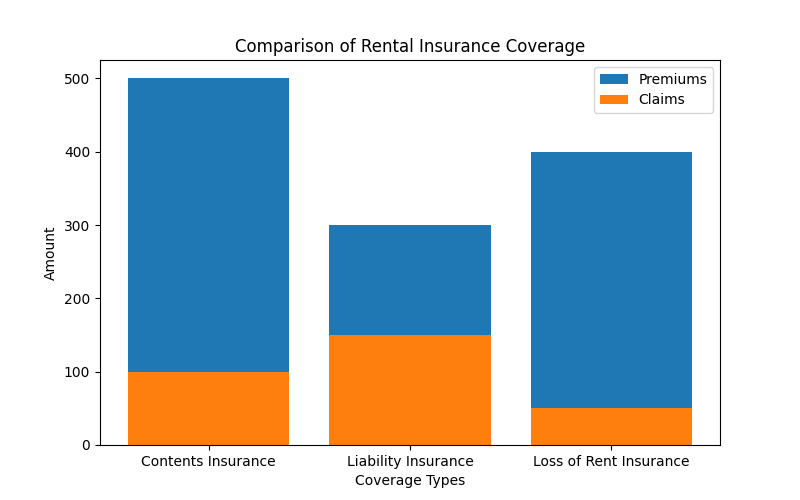
Types of Rental Insurance Coverage Available in the UK
A. Building insurance for rental properties in the UK
Building insurance, also known as property insurance, covers the structure of the rental property itself. It provides coverage for structural damages resulting from events such as fire, floods, storms, or other natural disasters. Building insurance is typically the responsibility of the landlord, as it protects their investment in the property.
- Coverage for structural damages to the rental property
Building insurance covers the cost of repairs or rebuilding in case of structural damages to the rental property caused by covered events. This includes damages to the walls, roof, floors, and other structural elements of the property.
- Protection against fire, flood, or natural disasters
Building insurance provides financial protection against damages caused by fire, floods, storms, earthquakes, and other natural disasters. It ensures that the landlord is reimbursed for the cost of repairs or rebuilding, minimizing their financial burden.
B. Contents insurance for tenants in the UK
Contents insurance, also known as personal property insurance, covers the belongings of tenants within the rental property. It protects against theft, damage, or loss of personal items such as furniture, electronics, clothing, and other valuables.
- Coverage for personal belongings in the rental property
Contents insurance provides coverage for the replacement or repair of personal belongings in case of theft, damage, or loss. This includes items such as furniture, appliances, electronics, clothing, jewelry, and other valuables.
- Protection against theft, damage, or loss
Contents insurance protects tenants against the financial burden of replacing or repairing their personal belongings in case of theft, damage, or loss. It ensures that they are reimbursed for the cost of their belongings, allowing them to recover quickly from such unfortunate events.
C. Liability insurance for tenants and landlords in the UK
Liability insurance provides coverage for accidental damage caused by tenants to the rental property or others’ belongings. It also protects against potential legal expenses in case of lawsuits arising from accidents or injuries that occur on the rental property.
- Coverage for accidental damage to the rental property or others’ belongings
Liability insurance covers the cost of repairs or replacements for accidental damages caused by tenants to the rental property or others’ belongings. This includes damages to the structure, fixtures, or furnishings of the property, as well as damages caused to neighboring properties.
- Protection against legal expenses in case of a lawsuit
Liability insurance safeguards tenants and landlords from potential legal expenses and compensation claims arising from accidents or injuries that occur on the rental property. It provides financial support for legal representation and any settlements or judgments that may be awarded.
Determining the Appropriate Level of Rental Insurance Coverage
A. Assessing the value of belongings and rental property in the UK
To determine the appropriate level of rental insurance coverage, it is essential to assess the value of both the tenant’s belongings and the rental property itself. Tenants should make an inventory of their personal belongings, including their estimated value. Landlords should evaluate the replacement cost of the rental property, taking into account factors such as the size, location, and construction materials.
B. Evaluating potential risks and vulnerabilities specific to the UK
Understanding the potential risks and vulnerabilities specific to the UK is crucial in determining the appropriate level of rental insurance coverage. Factors such as the prevalence of theft, the risk of flooding, and the occurrence of natural disasters in the area should be considered. This will help tenants and landlords choose the right coverage options to mitigate these risks effectively.
C. Consulting with insurance professionals to determine the right coverage for UK rental properties
Seeking advice from insurance professionals can be invaluable in determining the right coverage for rental properties in the UK. Insurance agents or brokers can assess individual needs and provide expert guidance on the appropriate level of coverage based on the specific circumstances of the rental property and the tenant’s belongings.
They can also help tenants and landlords understand the terms and conditions of different insurance policies, ensuring that they make informed decisions that meet their requirements and budget.

Comparing Rental Insurance Policies and Providers in the UK
A. Researching and comparing different rental insurance companies in the UK
When choosing rental insurance, it is important to research and compare different insurance companies in the UK. Look for reputable insurance providers with a track record of excellent customer service and prompt claims handling. Online reviews and ratings can provide valuable insights into the experiences of other policyholders.
B. Evaluating policy terms, coverage limits, and exclusions in the UK
Carefully evaluate the policy terms, coverage limits, and exclusions of rental insurance policies in the UK. Policies may differ in terms of the items covered, the maximum coverage limits, and any exclusions or limitations on certain types of losses. Pay close attention to any specific requirements or conditions that need to be met for coverage to apply.
C. Comparing rental insurance premiums and deductibles in the UK
Compare rental insurance premiums and deductibles from different providers in the UK. Premiums are the regular payments made for insurance coverage, while deductibles are the amount that policyholders must pay out of pocket before the insurance coverage applies. Consider the trade-off between lower premiums and higher deductibles, and choose a balance that suits your budget and risk tolerance.

Applying for Rental Insurance in the UK
A. Gathering necessary documents and information for rental insurance applications in the UK
When applying for rental insurance in the UK, gather all necessary documents and information beforehand. This may include proof of identity, proof of address, details about the rental property, and an inventory of personal belongings. Having these documents ready will streamline the application process and ensure that all required information is provided accurately.
B. Providing details about the UK rental property and its contents for insurance applications
Provide detailed information about the UK rental property and its contents when applying for rental insurance. This may include the address, size, construction materials, and any security features of the rental property. For contents insurance, provide an inventory of personal belongings, including their estimated value.
C. Answering questions about previous rental insurance claims or history in the UK
Be prepared to answer questions about previous rental insurance claims or history when applying for rental insurance in the UK. Insurance providers may ask about any previous losses or claims made, as well as any relevant information about the rental property or the tenant’s personal circumstances. Providing accurate and honest answers is essential to ensure that the policy is tailored to your specific needs.
Managing Rental Insurance Claims in the UK
A. Reporting damages or losses promptly to rental insurance companies in the UK
In case of damages or losses, it is crucial to report them promptly to the rental insurance company in the UK. Most insurance policies have specific time limits for reporting claims, and failure to do so may result in denial of coverage. Contact the insurance company as soon as possible to initiate the claims process and provide all necessary details about the incident.
B. Documenting evidence and providing proof of ownership for rental insurance claims in the UK
When filing rental insurance claims in the UK, it is important to document evidence and provide proof of ownership for the damaged or lost items. Take photographs or videos of the damages and keep any receipts, invoices, or appraisals that prove ownership and value. This documentation will help support the claim and ensure a smooth claims process.
C. Coordinating with rental insurance company and claims adjusters in the UK
Throughout the claims process, it is essential to coordinate with the rental insurance company and claims adjusters in the UK. Respond promptly to any requests for additional information or documentation and keep a record of all communications. Stay involved in the process and provide any necessary assistance to ensure a fair and timely resolution of the claim.

Tips for Saving Money on Rental Insurance Premiums in the UK
A. Reviewing and updating rental insurance coverage regularly in the UK
Regularly review and update rental insurance coverage in the UK to ensure that it remains appropriate and cost-effective. As circumstances change, such as acquiring new belongings or making security improvements to the rental property, adjust the coverage accordingly. This will help avoid overpaying for unnecessary coverage or being underinsured in case of a claim.
B. Installing security systems or safety features in UK rental properties to reduce premiums
Installing security systems or safety features in UK rental properties can help reduce rental insurance premiums. Insurance providers often offer discounts for properties with burglar alarms, fire alarms, smoke detectors, or other safety features. Consult with the insurance provider to determine which security measures qualify for premium reductions.
C. Bundling rental insurance with other insurance policies in the UK
Consider bundling rental insurance with other insurance policies in the UK to save money on premiums. Insurance companies often offer discounts for customers who purchase multiple policies, such as combining rental insurance with auto insurance or life insurance. Compare the total costs of individual policies versus bundled packages to determine the most cost-effective option.
D. Increasing deductibles to lower rental insurance premiums in the UK
Increasing the deductibles on rental insurance policies can help lower premiums in the UK. A deductible is the amount that policyholders must pay out of pocket before the insurance coverage applies. By opting for a higher deductible, policyholders accept more financial responsibility in case of a claim, which often results in lower premiums.
| Topic | Explanation |
|---|---|
| Reviewing and updating coverage | Regularly assess and adjust rental insurance coverage to ensure it remains appropriate and cost-effective. |
| Installing security systems or safety features | Adding security systems or safety features in rental properties can lead to premium reductions. |
| Bundling insurance policies | Combine rental insurance with other policies, such as auto or life insurance, for potential discounts. |
| Increasing deductibles | Opting for a higher deductible can lower premiums, but policyholders will have a higher out-of-pocket expense in case of a claim. |
| Common rental insurance terminology | Familiarize yourself with terms like coverage limits, exclusions, deductibles, premiums, and endorsements. |
| Coverage limitations and exclusions | Understand any restrictions on coverage, such as damage caused by pets or limitations on high-value items. |
| Policy renewal procedures | Be aware of the policy renewal process, including any changes to terms or premiums. |
Case Study: The Importance of Rental Insurance in the UK
One tenant in the UK, named Sarah, experienced the importance of rental insurance firsthand. She had been living in her rented apartment for several years when disaster struck. A pipe burst in the building, causing extensive water damage to her unit and destroying many of her personal belongings.
Thankfully, Sarah had taken the advice of her landlord and obtained rental insurance when she first moved in. She immediately contacted her insurance company to report the damage and begin the claims process. The insurance company sent out an adjuster who assessed the damage and estimated the cost of repairs.
Sarah was relieved to learn that her rental insurance policy covered the structural repairs to her apartment, including the replacement of the damaged flooring and walls. Additionally, her policy provided coverage for her personal belongings, so she would be reimbursed for the items that were destroyed by the water damage.
Throughout the claims process, Sarah found the support from her rental insurance company to be invaluable. They guided her through each step, helping her document her losses and providing the necessary paperwork to expedite the reimbursement process. Within a few weeks, Sarah received a check from her insurance company that allowed her to replace her damaged belongings and restore her apartment to its previous condition.
This experience taught Sarah the importance of rental insurance for tenants in the UK. Without it, she would have been left to bear the financial burden of the repairs and replacing her belongings on her own. She now encourages all renters she knows to invest in rental insurance, emphasizing the peace of mind it provides in the face of unexpected events.
Understanding Rental Insurance Terms and Conditions in the UK
A. Explaining common rental insurance terminology used in the UK
Understanding common rental insurance terminology used in the UK is essential for policyholders. Terms such as coverage limits, exclusions, deductibles, premiums, and endorsements are commonly used in rental insurance policies. Familiarize yourself with these terms to ensure a clear understanding of the policy and its conditions.
B. Understanding coverage limitations and exclusions specific to rental insurance in the UK
Rental insurance policies in the UK may have specific coverage limitations and exclusions that policyholders need to be aware of. These may include restrictions on certain types of losses, such as damage caused by pets, or limitations on coverage for high-value items such as jewelry or artwork. Read the policy carefully and discuss any concerns or questions with the insurance provider.
C. Familiarizing with policy renewal procedures for rental insurance in the UK
Become familiar with the policy renewal procedures for rental insurance in the UK. Most rental insurance policies have an annual term and need to be renewed to maintain coverage. Review the renewal process, including any changes to the policy terms or premiums, and make any necessary updates to ensure continuous coverage.
Frequently Asked Questions about Rental Insurance in the UK
A. Is rental insurance mandatory for tenants in the UK?
Rental insurance is not mandatory for tenants in the UK. However, it is highly recommended to protect their personal belongings and provide liability coverage.
B. Can landlords require tenants to have rental insurance in the UK?
Yes, landlords in the UK can require tenants to have rental insurance as a condition of the tenancy agreement. This helps protect the landlord’s property and minimizes their liability.
C. What happens if a tenant in the UK doesn’t have rental insurance?
If a tenant in the UK doesn’t have rental insurance, they are solely responsible for any damages or losses to their personal belongings and may be liable for accidental damages caused to the rental property or others’ belongings. It is important for tenants to understand the potential financial risks involved and consider obtaining rental insurance for their own protection.
Also Read: Experience the Future of Sustainable Living with the Tesla Tiny House
Conclusion and Final Thoughts on Rental Insurance for Homes in the UK
Rental insurance provides valuable financial protection for both tenants and landlords in the UK. It offers peace of mind by safeguarding personal belongings, covering potential damages to the rental property, and protecting against liability claims. By understanding the different types of rental insurance coverage available, assessing individual needs, comparing policies and providers, and staying informed about the terms and conditions, tenants and landlords can make informed decisions to secure their property effectively.
Whether you are a tenant looking to protect your personal belongings or a landlord seeking to safeguard your investment, rental insurance is an essential tool for ensuring peace of mind and financial security in the dynamic rental market of the United Kingdom. Take the necessary steps to secure your property today and enjoy the benefits of rental insurance for homes in the UK.



0 Comments