
Coming full circle: wood and the circular economy
The circular economy is a model of production and consumption that aims to minimize waste and maximize resource reuse. It’s a departure from the traditional linear economy, where resources are extracted, used, and then discarded. In the circular economy, materials are kept in use for as long as possible, through repair, reuse, and recycling.
Wood is a particularly well-suited material for the circular economy. It’s a renewable resource, it can be easily reused and recycled, and it biodegrades naturally. In addition, wood has a low environmental impact compared to other building materials, such as concrete and steel.
Here are some of the ways wood can be used in a circular economy:
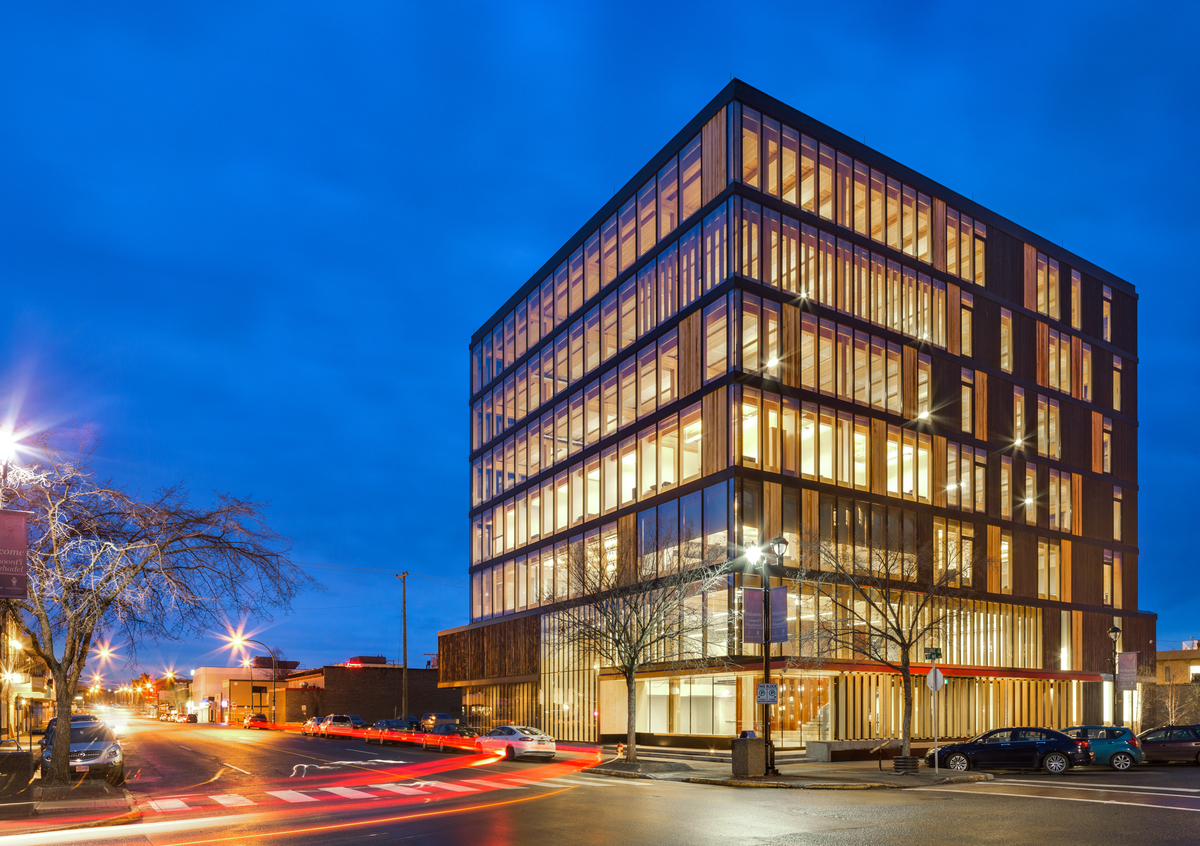
- Construction: Wood can be used to build houses, offices, and other structures. When these buildings reach the end of their useful life, the wood can be deconstructed and reused in new buildings.
- Furniture: Wood furniture can be repaired, repurposed, or recycled. There is a growing market for vintage and antique furniture, and many companies are now offering furniture made from recycled wood.
- Packaging: Wood can be used to make pallets, crates, and other packaging materials. These can be reused multiple times before being recycled.
- Bioenergy: When wood can no longer be used for other purposes, it can be used to generate bioenergy. This is a renewable source of energy that does not produce greenhouse gases.
There are a number of challenges to overcome in order to fully implement a circular economy for wood. One challenge is the lack of infrastructure for collecting and recycling wood waste. Another challenge is the presence of chemicals, such as glues and paints, that can contaminate wood and make it difficult to recycle.
Despite these challenges, there is a growing movement to promote the use of wood in the circular economy. A number of organizations are working to develop new technologies and business models for recycling and reusing wood. As the circular economy gains momentum, we can expect to see even more innovative ways to use this versatile and sustainable material.
Here are some additional benefits of using wood in the circular economy:
- Reduces greenhouse gas emissions: Wood stores carbon dioxide, which helps to mitigate climate change.
- Conserves water: Trees help to regulate the water cycle, which is important for protecting freshwater resources.
- Creates jobs: The circular economy for wood can create new jobs in forestry, wood processing, and recycling.
- Boosts local economies: Using local wood sources can help to support local communities.
Overall, wood is a promising material for the circular economy. With its many benefits and the growing movement to promote its use, wood can play a key role in creating a more sustainable future.
I hope this gives you a good overview of how wood can be used in the circular economy.



0 Comments