
The tiny house movement has emerged as a powerful force for sustainable living, challenging societal norms and advocating for a more conscious relationship with our planet. Here are some key ways it contributes to a greener future:
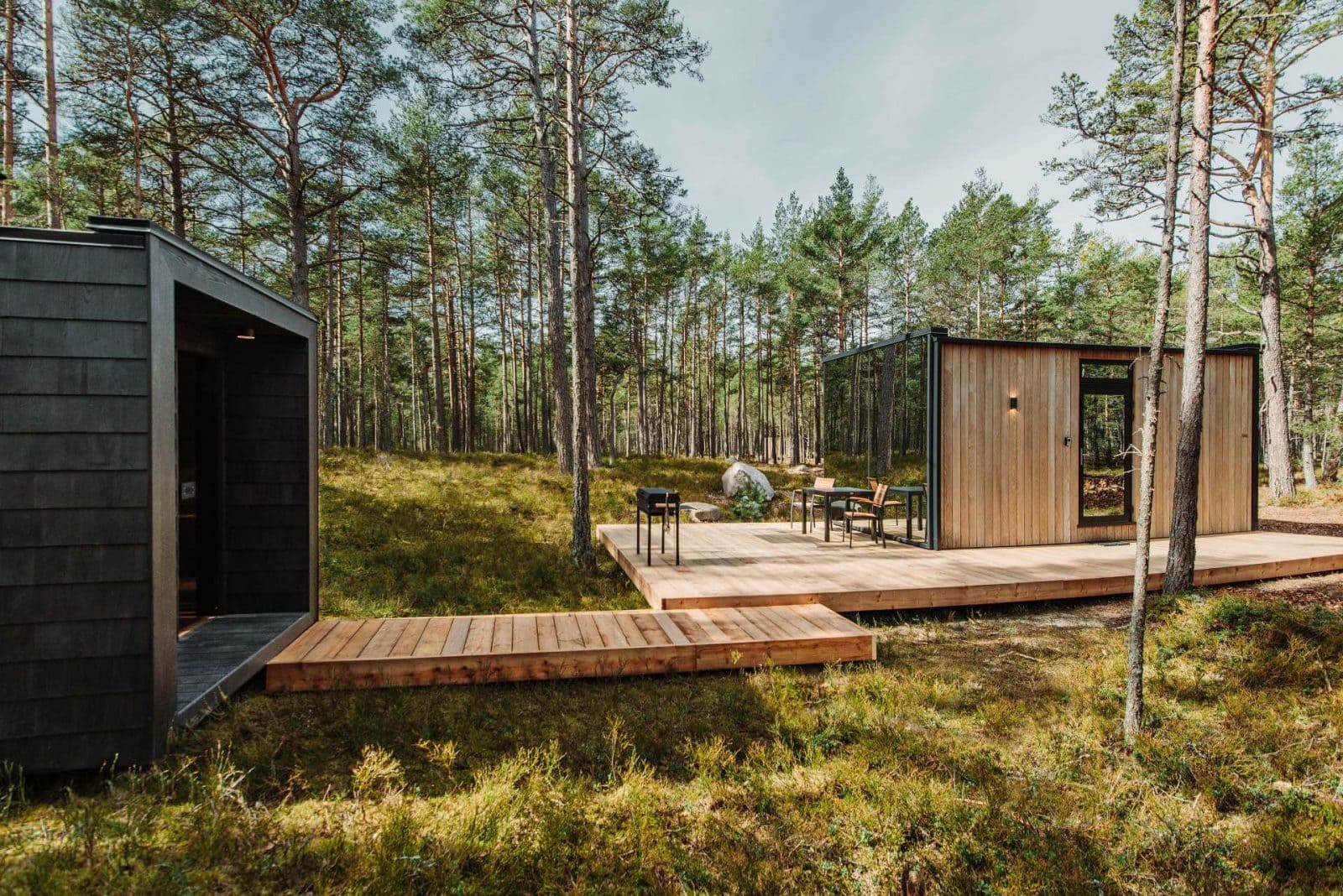
Reduced Resource Consumption: By opting for a smaller living space, tiny house dwellers naturally consume fewer resources. From building materials to energy use, everything scales down, leading to less deforestation, reduced mining, and lower energy bills. Efficient design further amplifies this benefit, with smart storage solutions maximizing space utilization and eliminating the need for excessive possessions.
Minimalist Mindset: Tiny living fosters a shift towards minimalism, encouraging residents to prioritize experiences and relationships over material possessions. This conscious effort to declutter and live with less translates to decreased consumption, less waste generation, and a lighter environmental footprint.
Embracing Renewables: Tiny houses often serve as living testaments to renewable energy possibilities. Compact size makes integration of solar panels, wind turbines, and rainwater harvesting systems more feasible, leading to greater energy independence and reduced reliance on fossil fuels.
Sustainable Materials: Many tiny house builders prioritize utilizing sustainably sourced and recycled materials, such as reclaimed wood, bamboo, and energy-efficient windows. This minimizes the environmental impact of construction and promotes responsible resource management.
Community Focus: The tiny house movement fosters a strong sense of community, with residents often sharing resources, skills, and knowledge. This collaborative approach encourages collective action on sustainability initiatives, such as local food production, composting, and waste reduction programs.
Mobility and Flexibility: Tiny houses, often built on trailers or wheels, offer the advantage of mobility. This allows residents to choose locations closer to work or amenities, reducing transportation emissions and dependence on personal vehicles. It also opens doors to eco-friendly living in off-grid settings, further minimizing environmental impact.
Living Simply: Ultimately, the tiny house movement champions a simpler way of life that prioritizes connection with nature, community, and experiences over material possessions. This shift in values and priorities paves the way for a more sustainable future, where living in harmony with the planet becomes a conscious choice rather than an afterthought.
It’s important to note that the tiny house movement is not a one-size-fits-all solution to sustainability. However, its emphasis on resource conservation, mindfulness, and community spirit undeniably contributes to a greener future and inspires others to re-evaluate their relationship with the world around them.
I hope this provides a comprehensive overview of how the tiny house movement leads to sustainable living.



0 Comments