
Painted Thermory thermowood offers several advantages over regular painted wood cladding, making it a desirable choice for many projects. Here’s a breakdown of the key reasons why you might prefer it:
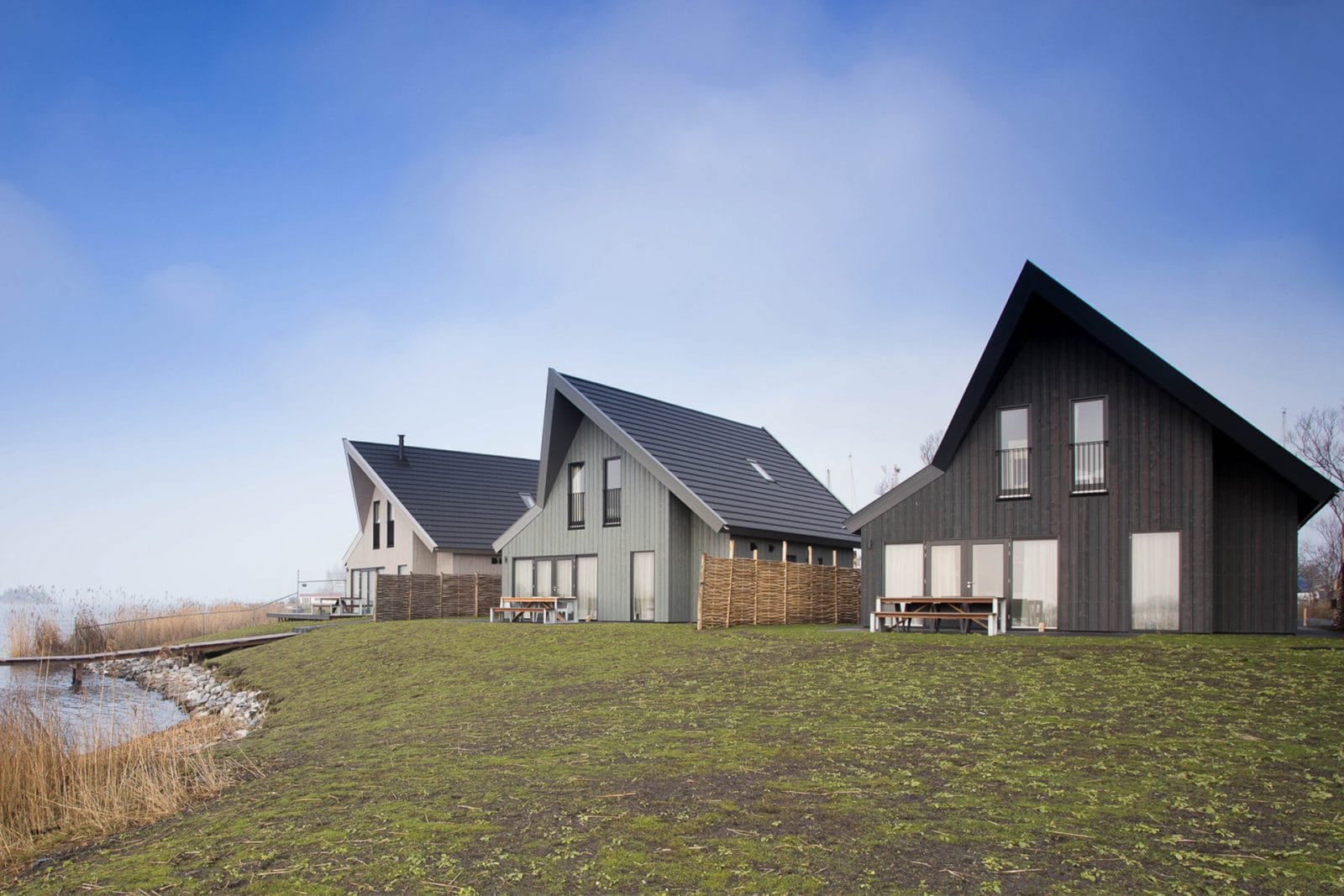
Durability:
- Improved dimensional stability: Thermowood undergoes a heat treatment process that reduces moisture content and shrinks the wood fibers, minimizing swelling and warping in response to temperature and humidity changes. This translates to a longer lifespan and less maintenance for your cladding.
- Enhanced resistance to decay and pests: The heat treatment also removes sugars and nutrients from the wood, making it less appealing to insects and fungi. This reduces the risk of rot and other forms of deterioration, especially in challenging climates.
Performance:
- Lower thermal conductivity: Thermowood insulates better than regular wood, thanks to its reduced moisture content and altered cellular structure. This can lead to improved energy efficiency in your building, keeping it cooler in summer and warmer in winter.
- Lighter weight: Thermowood is lighter than regular wood, making it easier to handle and install. This can be advantageous for taller buildings or projects where weight is a concern.
Aesthetics:
- Variety of colors and finishes: Thermowood is available in a wider range of pre-painted colors and finishes compared to regular wood. This allows for greater design flexibility and can help you achieve the desired look for your building.
- Dimensional beauty: Despite being painted, Thermowood often retains some of the natural wood grain and texture, adding a touch of visual warmth and character to your cladding.
Maintenance:
- Longer paint life: The low moisture content and improved dimensional stability of Thermowood contribute to a longer lifespan for the paint compared to regular wood. This means less frequent repainting and overall lower maintenance costs.
- Eco-friendliness: Thermowood is typically treated with environmentally friendly, water-based paints, making it a more sustainable choice compared to solvent-based paints used on regular wood.
However, it’s important to remember that while Thermowood offers numerous benefits, it also comes with a higher initial cost compared to regular wood.
Ultimately, the best choice for your project will depend on your specific budget, priorities, and desired outcome. Consider factors like the climate, building design, durability needs, and maintenance requirements to make an informed decision.



0 Comments